


The Crypto Company has opened its Frame testnet in private beta, the company announced on September 30, 2026. Frame is a quantum-resistant Layer 1 blockchain that the company says lets people, businesses and AI agents build, bridge and trade across chains.
At the time of release, the Frame testnet had processed more than 7 million quantum-resistant test transactions, according to The Crypto Company, which trades over the counter under the symbol CRCW.
What the Frame Testnet Is Designed to Do
The company argues that each blockchain now works as its own economy. Moving value between chains still means trusting a bridge, builders must choose which chain to build on, and traders face liquidity split across networks.
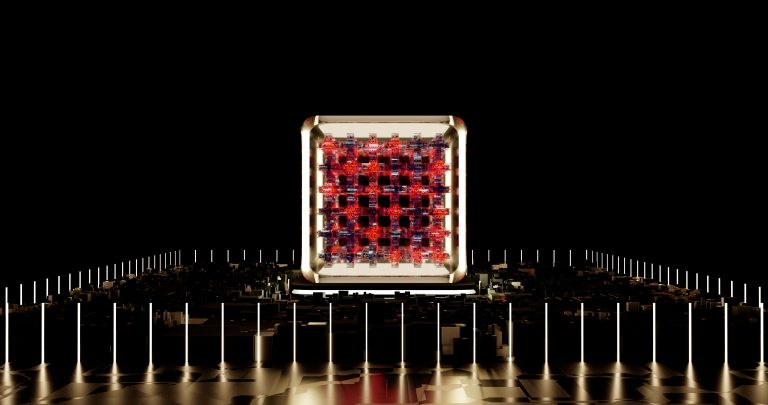
Frame is designed to connect those separate ecosystems into a single interoperable network. The company says the goal is for business across chains to feel like business on just one.
According to the announcement, one signature is designed to move value from one chain to another, settled by Frame’s own validators, with no third-party bridge holding the assets. The network is designed for settlement in under two seconds, and transactions are designed not to wait in a public queue, which the company says closes the opening for front-running.
Institutions have been moving more activity on-chain as well, with major financial institutions moving core operations onto blockchain networks.

Post-Quantum Signatures From Genesis
The Crypto Company says Frame is quantum-resistant from genesis. Transactions on the Frame testnet are signed using ML-DSA-87, the highest-security level of NIST’s post-quantum digital signature standard, FIPS 204, which is based on CRYSTALS-Dilithium.
That design means Frame wallets should not need to be migrated, according to the company. It says chains built before these standards may have to move users to new wallets if quantum computers begin to threaten today’s signatures.
The same concern is shaping planning elsewhere in crypto, where Bitcoin security strategy is shifting to post-quantum cryptography.
What Executives Said
“Frame’s testnet going live is a real milestone, and I am excited about how far the team has come and what Frame is going to be,” said Ron Levy, Chief Executive Officer of The Crypto Company. “It is amazing to watch transactions flowing on-chain and see people lighting up when they experience for themselves what this platform really unlocks.”
Sean Docherty, Chief Blockchain Officer, described the technical goal. “We set out to build a Layer 1 that is quantum-resistant from genesis, and now we have one, designed for settlement in under two seconds,” Docherty said. “That combination lets people and agents move across chains without waiting, and without worrying about tomorrow’s threats.”
What Comes Next for Frame
The private testnet phase includes post-quantum transactions, Frame Wallet, Frame Names and a decentralized exchange. Later phases on the roadmap include a mainnet launch, cross-chain unified liquidity and tools for individuals and businesses to build their own applications on Frame.
Builders and traders can join a waitlist to receive a Frame testnet invitation, which will be sent as invitations become available. The waitlist sits on the recently updated Frame site, and the Frame community is also on Telegram and Discord. Interest in shared settlement layers is also growing among fintech firms embedding blockchain rails into payment networks.
The company’s forward-looking statements note several risks. Testnet results may not reflect mainnet performance, and the company may not launch a mainnet on the expected timeline or at all. They also cite adoption, regulation, competition and the company’s ability to raise additional capital and continue as a going concern.
The Crypto Company, with operating history dating back to 2017, says it is completing the buildout of Frame as a Layer 1 blockchain designed to connect fragmented blockchain ecosystems.
