

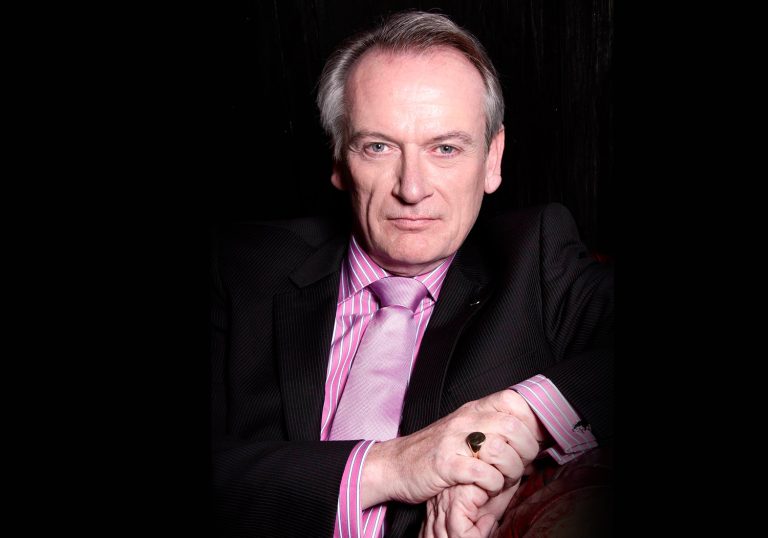
Chris Skinner argues that cryptocurrency should not be treated as a scam simply because fraudsters use it. In a September 2026 essay, the finance commentator separates losses on risky assets from deception, saying the person who misuses an asset, rather than the asset itself, is responsible for fraud.
Skinner’s central distinction is between an investment that loses value and a scheme built to steal. If Bitcoin falls from $100,000 to $50,000, he writes, an investor has lost money but has not necessarily been scammed. By contrast, someone promising a 20% monthly return through a secret trading strategy and taking the deposit is committing fraud, in his example.
He also describes a token promoter who secretly controls most of a supply, drives up its price and sells holdings to unsuspecting buyers. That conduct, Skinner says, may involve fraud and market manipulation. A fake exchange that accepts customer deposits and steals the assets is another example where the operator’s actions define the crime.
Fraud Uses Familiar Tactics
Skinner says crypto scams rely on an old method: selling a story before taking someone’s money. A fraudster claims to know what others do not, points to extraordinary returns, uses apparent success stories and creates urgency. The pitch can make a target feel fortunate to have found the opportunity and foolish to question it.
He compares the behavior with past financial frauds, naming Charles Ponzi and Bernie Madoff as examples that did not depend on Bitcoin or blockchain. In his view, the technology is a new wrapper around an older exploitation of trust. His latest book, Diary of a Ponzi Scheme, also centers on trust, the essay says.
The argument does not excuse crimes involving digital assets. Skinner lists ransomware payments, theft, money laundering and efforts to obscure transactions as serious problems for the industry. He says crypto firms have had to develop stronger controls around custody, identity, transaction monitoring and financial crime.
Skinner argues that other forms of money are not labeled criminal merely because criminals use them. Dollars, euros and pounds can be used in crime, while banks, shell companies, offshore jurisdictions, casinos and trade finance have also been used to move illicit funds. He says cryptocurrency is judged by a different standard because many people find it new, complicated and less connected to familiar financial institutions.
Institutional Access Does Not Remove Risk
Skinner points to JPMorgan’s commercial activity as evidence that institutions can treat Bitcoin as an asset while executives remain skeptical. He says Jamie Dimon said in 2025 that JPMorgan would allow clients to buy bitcoins and show the holdings on statements. The bank, Skinner adds, continues blockchain work through Kinexys in areas including repo, data sharing and correspondent banking.
He also cites BlackRock’s iShares Bitcoin Trust, IBIT, which provides Bitcoin exposure through an exchange-traded product. Skinner says BlackRock reported that IBIT held around $61.6 billion in net assets by 8 September 2026. He also notes that BlackRock’s 2026 investment outlook cited $25.2 billion flowing into Bitcoin exchange-traded products during 2025.
Those examples, in Skinner’s account, show Bitcoin being discussed through conventional investment terms such as allocation, diversification, volatility, return and risk. They do not establish that Bitcoin is safe, that prices will rise or that every cryptocurrency is legitimate. Institutional access and criminal misuse can exist at the same time, he argues.
For related context, Block Telegraph has covered audited products in presale markets, institutions moving operations onto blockchain and crypto infrastructure investments.
Skinner’s conclusion is that scrutiny should focus on conduct and risk rather than treating the entire asset class as criminal. As digital assets, tokenized deposits and blockchain services meet more traditional finance, he says, the boundary between “crypto” and “finance” is becoming harder to draw. That does not erase the need to identify and address fraud within the market.
Read Skinner’s full argument.
