

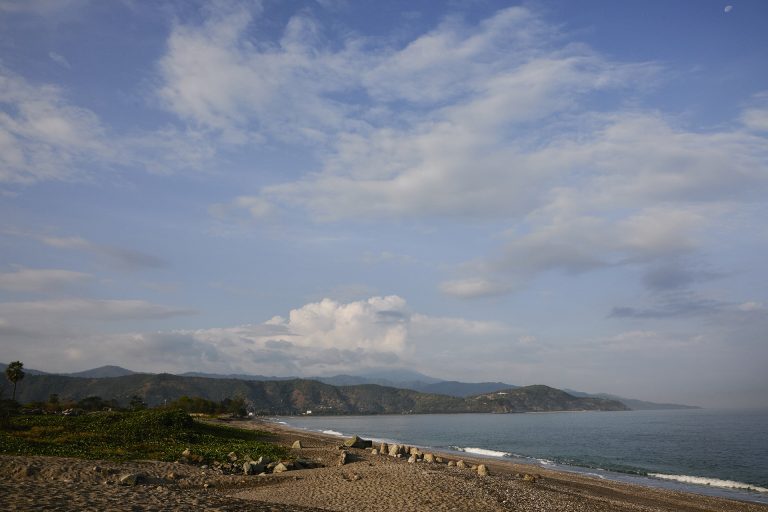
The AB crypto project pursued resort plans near Dili, Timor-Leste, before the company said its agreement was canceled in November. An investigation by OCCRP and Guardian Australia found that three people later sanctioned by the U.S. Treasury had been involved in the resort company. It found no evidence that AB was directly connected to The Prince Group or that illicit funds flowed into the project.
AB had promoted a 300,000-square-meter “blockchain theme resort” stretching toward the sea near Timor-Leste’s capital. The nonprofit behind AB was to receive between five and 10 percent of future profits. AB later removed the promotional material.
AB Project Pursued Resort Plans Near Dili
AB said the project came from a June memorandum of understanding between its core entities and a Timor-Leste-registered company. In a statement posted March 4, it said the plan was canceled in November before “a substantive implementation stage.” AB described the agreement as a preliminary intention without substantive legal or financial consequences.

Corporate records and interviews reviewed by the outlets showed that three people later sanctioned in a U.S. crackdown involving The Prince Group had been connected to the resort company. The report said all three were removed shortly after sanctions were announced and had not been charged in connection with the resort.
The Prince Group, a Cambodia-based conglomerate, has been accused by the U.S. government of involvement in an online scam syndicate. The group has rejected allegations of unlawful activity. The investigation found no evidence that AB was directly connected to it or that illicit funds entered the project.
Lin Xiaofan says plans remained active
Lin Xiaofan, whom reporters identified as a person involved in AB’s network, gave a different account of the project’s status. He told the outlets that the resort remained active, although AB was no longer involved. Lin provided a November 27 letter terminating the agreement, the investigation reported.
The distinction matters: AB described its agreement as canceled before substantive implementation, while Lin said the project itself continued. The investigation did not establish that the resort was built. Reporters visited the proposed site in February and found no signs of construction.
World Liberty Financial said it was not told about the resort or the people involved. Its lawyers said the company conducted due diligence on AB and rejected claims linking World Liberty to sanctioned individuals or the Timor-Leste project. The report did not suggest World Liberty, former Serbian leader Boris Tadić, or other political figures knew of the earlier involvement.
Kimi Yang denied an association with The Prince Group and said he had met its chief executive, Chen Zhi, only for “casual dinner and cigar time.” Shih denied knowing about the Timor-Leste resort or having a connection to the group. The investigation also noted The Prince Group’s denial of unlawful conduct.
What the resort records establish
The reporting links sanctioned individuals to the resort company, but does not establish that AB was directly connected to The Prince Group or that illicit money financed the development. It also separates the company’s cancellation statement from Lin’s claim that the project remained active. Block Telegraph has covered a separate cryptocurrency crime investigation involving blockchain records. Readers following related crypto policy coverage can also read Block Telegraph’s coverage of the SEC fraud case involving CryptoAML Capital Foundation and the crypto tax certainty and strategic bitcoin reserve bills passed by House committees.
The investigation placed the resort plan amid broader scrutiny of scam syndicates in Southeast Asia, which it said operate from compounds in converted hotels, office parks and casinos. It reported that the U.S. had seized $15 billion worth of bitcoin from Chen Zhi in what the government called its largest forfeiture action against online scammers. That enforcement action does not establish a connection between AB and the Prince Group.
For the Timor-Leste development, the reported status remains unsettled: AB said its agreement ended in November, but Lin said the project continued. The February site visit found no construction, and the investigation reported no later building schedule.
